

How Can Chili Powder Maintain Color, Aroma, and Flavor in Prepared Foods?
In Ready-to-Eat Meals, Chili Powder Often Affects More Than Just Spiciness
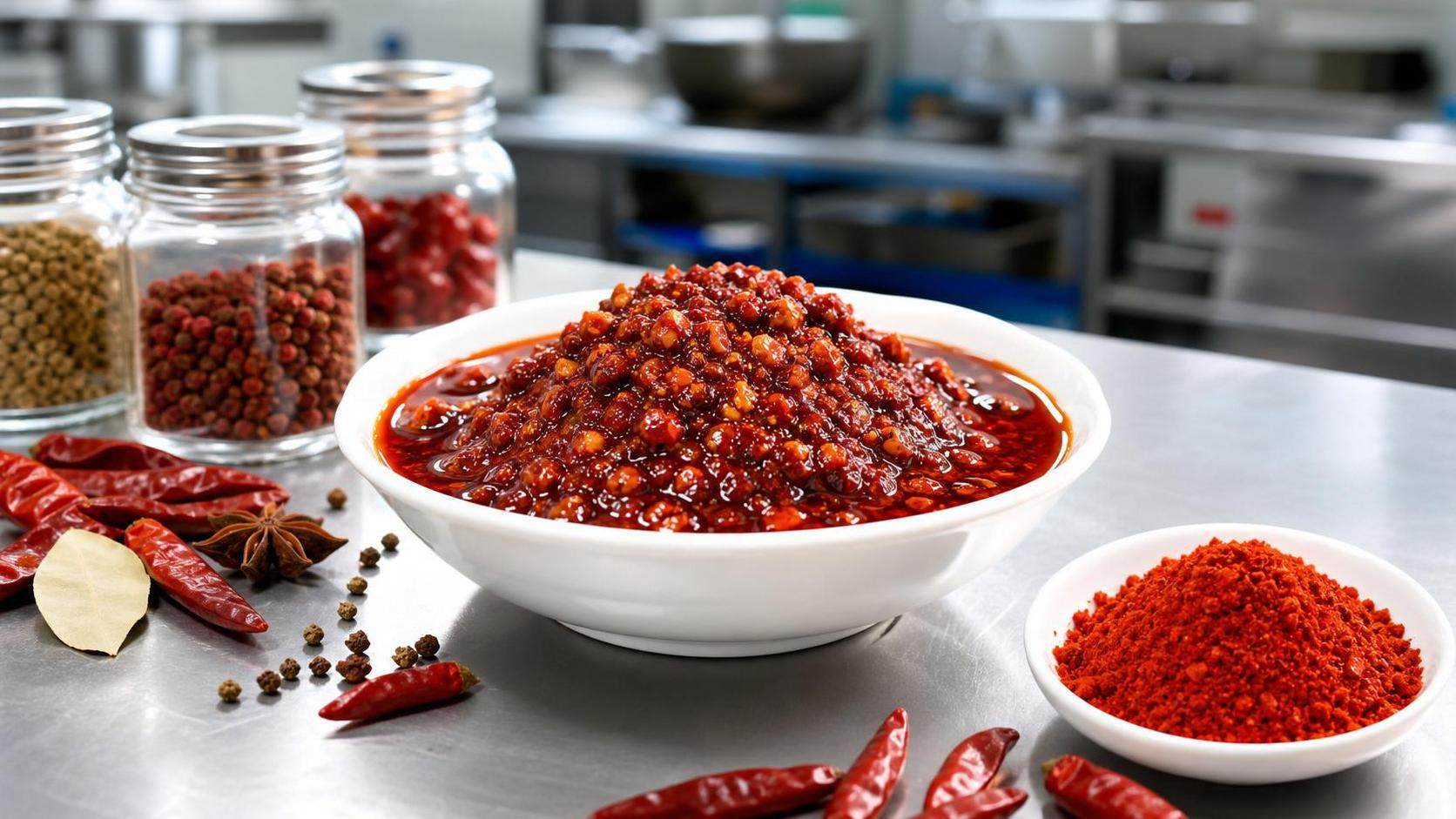
In the production of ready-to-eat meals, chili powder is often treated as a supporting seasoning. However, once it enters mass production, the first problems to emerge are usually dull color, rapidly dissipating aroma, and inconsistent pungency. This is especially true for reheatable dishes: they may appear bright red initially, but after heating by the end consumer, the color may become dull and the aroma may seem hollow, directly affecting product consistency.
Chili powder is important not only because it determines whether a dish is spicy. It also contributes to color retention, aroma enhancement, spice control, and flavor recognition. Ready-to-eat meals require batch-to-batch consistency. If raw materials are selected only because a single trial sample looks appealing, they often struggle to withstand continuous production. A more practical evaluation method is to observe how chili powder performs in the actual process rather than looking only at static parameters.
Sichuan Xinwang Wanghaijiao Agricultural Products Trading Co., Ltd., based in Deyang, Sichuan, has been deeply engaged in the supply and advanced processing of spices for many years and has developed a thorough understanding of this issue. Its “Wang Haijiao” chili powder is sourced directly from multiple production regions and processed through a standardized sorting system, enabling a more stable combination of aroma, spiciness, color, and oil content across different varieties. In ready-to-eat meal applications, this capability is more practically valuable than simply pursuing extreme spiciness or intense red color.
Different Types of Ready-to-Eat Meals Have Different Requirements for Chili Powder
Many people assume that red-oil dishes, sauce-based products, and compound-seasoned products can all be made with the same chili powder. In practice, this is not the case. As the application changes, the oil ratio, heating time, moisture content, and packaging method that chili powder must withstand also change, producing different results. Treating similar dishes as having identical requirements is a common misjudgment.
For example, chilled, short-shelf-life ready-to-eat meals often place greater emphasis on the speed of aroma release and a natural, vibrant red color. After opening the package or reheating, consumers first notice whether the aroma is appealing and whether the color looks fresh. In this case, chili powder cannot rely only on an intense initial impact; it must also avoid browning and aroma dulling after refrigeration.
Shelf-stable retort meals place greater emphasis on process resistance. After sterilization, sealing, and storage, if the chili powder has an unstable aroma structure, it may eventually retain only spiciness without any depth. What is needed here is not a single high-aroma variety, but a blending approach that can withstand processing, allowing the color and aroma profile to remain recognizable after heat treatment.
Red-Oil and Sauce-Based Products Require Very Different Evaluation Criteria
In red-oil ready-to-eat meals, chili powder is primarily responsible for color development. Products such as Sichuan-style spicy mixed sauces, mala dressing, and Sichuan-flavored rice sauces have a clear consumer expectation of a bright red appearance. In this case, the release rate of the chili powder’s red color and its clarity after combining with oil are more important than spiciness alone. A color that develops quickly does not necessarily remain stable later.
Sauce-based products are more complex. Once beef sauce, roasted pepper sauce, or compound stir-fry seasoning enters the cooking vessel, chili powder must do more than add color; it must also form a complete flavor profile together with garlic, doubanjiang, Sichuan pepper, and other spices. If the chili powder has a flat aroma profile, the sauce may taste “spicy but lacking in aroma.” Wang Haijiao’s strength in its multi-variety chili matrix is well suited to applications requiring depth. By matching aroma profiles with different levels of spiciness, it can reduce the need for downstream flavor adjustment.
In application, two points can be confirmed first: whether the finished product needs clearly visible oil and red color, and whether its aroma comes from the chili itself or depends on compound flavorings. If the former is more important, the stability of the chili powder’s color value should be prioritized. If the latter is more important, it is necessary to determine whether the chili powder can support the base aroma rather than overpowering it.
Pickling, Mixing, Stir-Frying, and Boiling All Significantly Affect Chili Powder Performance
The same chili powder can perform in completely different ways when used in different processes. In pickling, adhesion and penetration are more important. If the particles are too coarse, the color may remain on the surface; if the powder is too fine, it may clump in a high-moisture system. The particle size and dispersibility must therefore be balanced so that the chili powder is distributed more evenly over the surface of meat or plant proteins.
Mixing applications require rapid aroma release. This is especially true for ready-to-eat meals with cold-mixed flavor profiles, where slowly developing aroma can weaken the experience immediately after opening. Stir-frying, by contrast, places greater emphasis on heat resistance. Short-time, high-temperature stir-frying quickly amplifies both the strengths and weaknesses of the aroma, and even a slight instability may cause burnt notes to overpower the original aroma. Boiled products generally focus on the color of the broth and the lingering spiciness, which should not be spicy at first and empty afterward.
- Before pickling, first assess the moisture content and adhesion requirements, then determine the appropriate particle size.
- Mixed-seasoning products are better suited to chili powder with rapid aroma release and a natural color.
- Stir-fried products should be evaluated for heat resistance to avoid breaks in the aroma profile.
- Soup-based products require chili powder to retain a stable lingering flavor after prolonged immersion.
Focusing Only on Spiciness Parameters Can Mean Missing the Details That Truly Influence Repeat Purchases
When selecting chili powder for ready-to-eat meals, the parameter most likely to be overemphasized is spiciness. However, at the repeat-purchase level, the factors that create lasting recognition are often whether the pungency is clean, the aroma is natural, and the color remains stable over time. High spiciness does not equal strong flavor; it may even make a product intensely stimulating at first and bland afterward.
Another common misjudgment is to look only at sample performance without considering successive batches. Ready-to-eat meals are not freshly stir-fried in a restaurant. Once production continues over the long term, fluctuations in raw materials will be directly reflected in the finished product. Sichuan Xinwang Wanghaijiao Agricultural Products Trading Co., Ltd. has capabilities in direct raw-material sourcing, color sorting, testing, and standardized processing. This supply foundation helps chili powder maintain similar aroma, spiciness, and color performance from batch to batch, reducing repeated downstream adjustments.
Another easily overlooked factor is packaging and storage and transportation conditions. Even high-quality chili powder will lose color, aroma, and flavor if moisture is not properly controlled or if the finished product remains in high-temperature storage for too long. To determine whether chili powder is suitable, evaluation should not stop in the formulation room; the entire distribution chain must also be considered.
To Achieve Stable Chili Powder Performance, First Establish Application-Specific Selection Criteria
In practice, selection can begin with three dimensions: product format, process intensity, and target mouthfeel. Product format determines the coloring and adhesion method, process intensity determines the difficulty of retaining aroma, and target mouthfeel determines whether the chili powder should emphasize “aroma,” “spiciness,” or “red color.” This approach is more effective than simply asking which type of chili powder is the best.
For more stable results, it is generally advisable to conduct three rounds of evaluation: small-sample blending to assess the initial flavor, pilot-scale testing to evaluate process resistance, and retained-sample observation to monitor shelf-life changes. For reheatable ready-to-eat meals in particular, the color difference before and after reheating, aroma loss, and changes in pungency should be recorded to determine whether the chili powder is truly suitable.
For products featuring Sichuan, Hunan, Guizhou, or other robust spicy flavor profiles, chili powder must also work in coordination with Sichuan pepper, star anise, cinnamon, and other spices. Wang Haijiao’s comprehensive supply of compound spices is suitable for applications requiring coordinated, one-stop adjustments and helps reduce flavor deviations caused by blending from multiple suppliers.
Confirm These Points Clearly Before Implementation
To maintain stable color, aroma, and flavor in ready-to-eat meals, the key is not to pursue a single high indicator, but to examine the application conditions separately. First clarify whether the product is short-shelf-life or shelf-stable, whether it is for mixing or stir-frying, and whether it emphasizes a fresh red appearance or a complex aroma. Then match the raw-material combination and processing method accordingly for more accurate selection.
As a next step, select one or two representative applications from existing products, review the process temperature, oil-to-water ratio, packaging method, and target flavor, and then compare how different chili powders perform after reheating, storage, and batch changes. Once these evaluation criteria are standardized, chili powder selection will be more consistent for both new product development and existing product optimization, and will more closely reflect the authentic flavor performance required for long-term repeat purchases.
Send Us a Message
Blended Chili Powder
Carefully blended with expert craftsmanship, adjustable across multiple levels of heat and aroma, with rich flavor layers. Suitable for standardized preparation in various catering and ready-to-eat food applications, it is a signature product for brands.
Product Information: Shelf life: 12 months
Net content:
Household packs: 5g, 10g, 250g, 400g
Foodservice packs: 2500g, 5000g
Easy to use, enhancing aroma and spiciness for various cooking applications.
After the ingredients are prepared, sprinkle in the chili powder while hot and mix thoroughly; it can also be mixed with other powders to make a dipping sauce for fried snacks and other foods.
Mainly used for barbecue, braised foods, fried foods, and more.
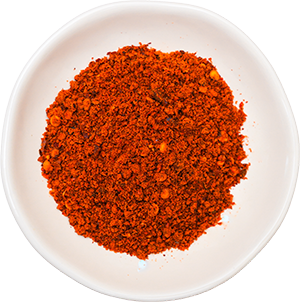
Coarse Chili Powder
Finely ground and free of impurities, with bright, uniform color. It colors and infuses flavor easily, making it suitable for Sichuan stir-frying, braised foods, and deep food processing.
Product Information: Shelf life: 12 months
Net content:
Household packs: 100g, 200g, 400g
Foodservice packs: 10 jin, 20 jin, 50 jin
When stir-frying or braising dishes, add it to the wok to release a red-oil aroma and spicy flavor, then add the ingredients and stir-fry. It enhances the spicy base flavor; avoid excessively high oil temperatures to prevent scorching and bitterness.
For cold vegetable or meat dishes, sprinkle in the chili powder after preparation and mix well; it can also be combined with salt, light soy sauce, and other seasonings to make a dressing.
Place an appropriate amount of chili powder in a container, gradually pour in boiling-hot refined vegetable oil while stirring to release its spicy aroma. After cooling, the resulting red chili oil can be used to season various dishes.
Used for cooking, cold dishes, homemade red chili oil, and more.
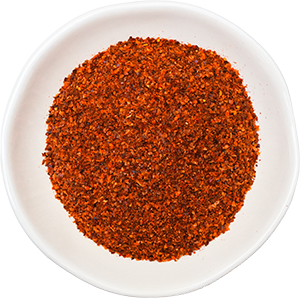
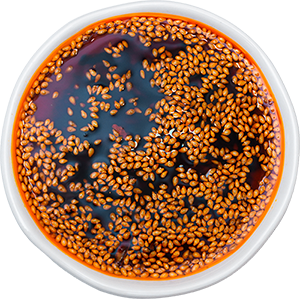
Chili Oil
Extracted using traditional methods, with a rich mellow aroma, bright and clear red color, a fragrant and spicy yet non-harsh flavor, and a long-lasting aroma. Ready to use upon opening, it is suitable for seasoning various dishes and for commercial bulk applications.
Product Information: Shelf life: 12 months
Net content:
Household packs: 200 milliliters, 380 milliliters,
Foodservice packs: 10 jin, 25 jin
For cold meat and vegetable dishes, add red chili oil directly and mix with salt, light soy sauce, and other seasonings for enhanced color and aroma.
When stir-frying or braising dishes, add the red chili oil to release its aroma before adding the ingredients. It gives dishes a bright red color and a spicy base flavor; avoid prolonged high-temperature stir-frying to prevent scorching and bitterness.
Add it to the marinade during braising to enhance the spicy base flavor; after the braised food is cooked, mix in red chili oil to brighten and enrich the taste.
Used for hot pot, cold dishes, cooked dishes, and more.
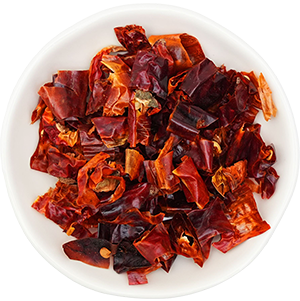
Chili Pepper Pieces
Made from carefully selected high-quality chili peppers, cut into uniform pieces with full dried flesh, little breakage, and good cooking resistance. Mainly used to enhance aroma and spiciness, suitable for stir-frying, dry-pot dishes, and sauce preparation.
Shelf life: 12 months
Net content:
Household packs: 100 g, 200 g, 400 g
Foodservice packs: 10 jin, 25 jin, 50 jin
Add the chili pepper pieces when the oil reaches approximately 60% heat, stir-fry briefly to release their aroma and spiciness, then add the ingredients. Do not cook for too long to avoid scorching and bitterness; suitable for Sichuan stir-fried and braised dishes.
Fry the chili pepper pieces at a moderate oil temperature until slightly crisp to make dry-fried dishes or spicy crisps. Combine with ingredients after frying for a fragrant, spicy and crispy texture; control the oil temperature to prevent darkening.
Add chili pepper pieces when simmering hot-pot or chuan chuan xiang soup bases to release their spicy aroma and color and enhance the flavor of the broth.
Used for hot pot, cooked dishes, stir-frying, high-heat stir-frying, and more.
Fine Chili Powder
Finely ground and free of impurities, with bright, uniform color. It colors and infuses flavor easily, making it suitable for Sichuan stir-frying, braised foods, and deep food processing.
Shelf life: 12 months
Net content:
Household packs: 100g, 200g, 400g
Foodservice packs: 10 jin, 20 jin, 50 jin
Its fine texture colors food easily. It can be used as a dry powder seasoning or cooked into red chili oil for use in spicy snack seasoning, allowing the heat to penetrate evenly.
Place the fine chili powder in a heat-resistant container and pour hot oil over it in several batches while stirring to release a fragrant, bright-red chili oil. Allow it to cool before use.
Used for spicy snack strips, homemade red chili oil, and more.
WeChat Channels

Douyin Short Videos