

How to troubleshoot inconsistent numbing intensity in Sichuan peppercorns
If Sichuan Peppercorn Numbing Intensity Varies, Don't Blame the Formula Just Yet
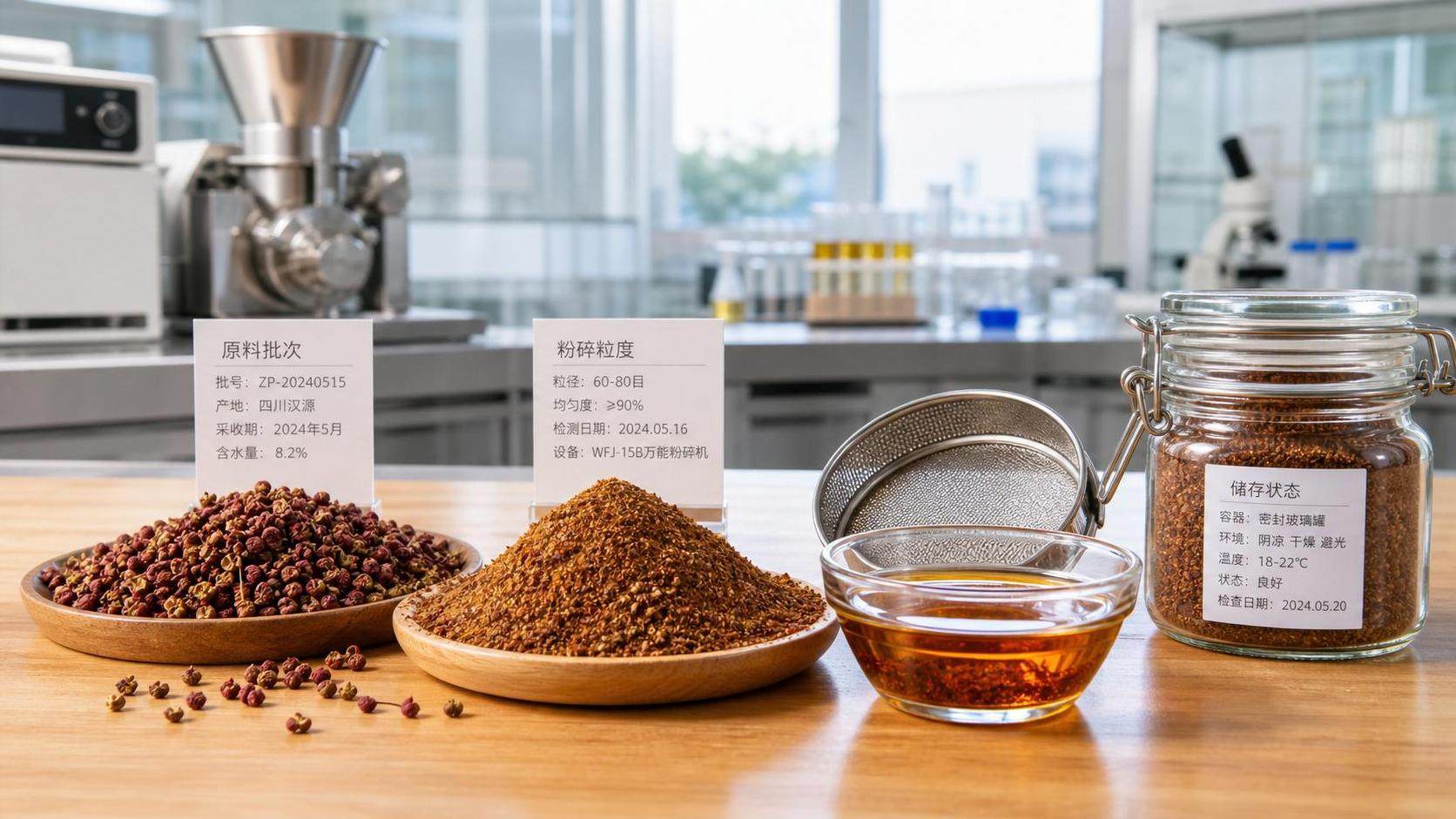
Unstable numbing intensity in Sichuan peppercorns is commonly found during the processing of seasoning blends, soup bases, braising liquids, and compound seasonings. On the surface, it appears as inconsistent numbing strength. A closer look often reveals links to the raw materials, oil content, storage, and usage methods.
Simply put, although they are all called Sichuan peppercorns, peppercorns from different origins, varieties, maturity levels, and batches release their numbing sensation at different rates. Focusing only on the weight of the ingredients often makes it difficult to identify the real cause of the problem.
In practical applications, a more reliable troubleshooting approach is to examine each stage separately, from incoming inspection and crushing to roasting, extraction, storage, and final use. Only in this way can you determine whether the variation comes from the peppercorns themselves or whether the processing has amplified the differences.
Companies such as Sichuan Xinwang Wanghaijiao Agricultural Products Trading Co., Ltd., which have long specialized in the supply of spices, emphasize direct sourcing, graded selection, and laboratory testing. Essentially, this is to make the flavor of seasoning raw materials such as Sichuan peppercorns and chili peppers more controllable, rather than simply pursuing a strong aroma on a single occasion.
First, Determine: Where Does Unstable Numbing Intensity in Sichuan Peppercorns Usually Come From?
Many people initially suspect the formula, but the formula is only the result. More commonly, fluctuations in the content of numbing compounds in Sichuan peppercorns, combined with processing losses, ultimately lead to inconsistent numbing intensity in the finished product.
If the same formula and the same ingredient quantities produce different levels of numbing on different days, prioritize the following areas.
This table is suitable for an initial assessment. Check the major factors first, then examine the details to improve efficiency.
Why Does the Numbing Intensity Still Change Even When the Raw Material Packaging Has Not Changed?
This is the area most easily overlooked. Unchanged packaging does not mean that the source of the Sichuan peppercorns has remained unchanged. Particularly in raw-material circulation, products with the same specification name may contain peppercorns from different mountain regions, different harvest periods, or even different grades.
The core of the numbing sensation of Sichuan peppercorns is closely related to the variety and the condition of their volatile oils. Hanyuan, Maoxian, and red Sichuan peppercorns known as Dahongpao, as well as green Sichuan peppercorns, each have their own distinctive numbing and aromatic profiles. If all peppercorns are procured simply under the generic name “Sichuan peppercorns,” it is difficult to maintain stable numbing intensity over the long term.
It is also important to note that overripe peppercorns, excessively intense drying, or a high proportion of stems and seeds can reduce the numbing sensation. Whole-looking grains do not necessarily contain sufficient effective flavor compounds.
- Retain samples upon arrival and establish batch comparisons.
- Whenever possible, fix the origin and variety for the same product.
- Pay attention to the net peppercorn yield rather than appearance and size alone.
- When necessary, conduct a small-batch roasting trial before deciding whether to put the material into production.
The value of a supply system such as Wanghaijiao’s, which has long managed spices from multiple production regions, lies in its ability to match Sichuan peppercorn raw materials more precisely by origin, aroma profile, and numbing intensity, reducing repeated trial and error after the materials arrive at the facility.
During Processing, Which Operations Are Most Likely to Cause the Numbing Sensation of Sichuan Peppercorns to Be Lost?
If there is no major problem with the raw materials themselves, the next step is to examine the processing. Sichuan peppercorns are sensitive to prolonged exposure to high temperatures and repeated exposure to air. Many fluctuations in numbing intensity are precisely caused by inconsistent processing methods.
First, consider roasting. When the pan temperature is too high, the aroma is released first, but the numbing compounds are lost more quickly. A strong aroma does not necessarily mean a stronger numbing sensation in the mouth. In contrast, a relatively stable temperature and a slightly shorter processing time often help preserve the natural numbing sensation.
Next, consider crushing. The finer the Sichuan peppercorns are crushed, the faster the numbing sensation is released, but oxidation also proceeds more quickly. If the peppercorns are ground and used immediately, the results are usually better. If large quantities are crushed in advance and then stored at room temperature, the decrease in numbing intensity in subsequent batches can be significant.
Another situation occurs when Sichuan peppercorns are added to hot oil or hot soup at different times. Adding them at the beginning and adding them later to enhance the aroma produce completely different release curves. Once the processing sequence changes, the perceived numbing sensation changes accordingly.
- Record the pan temperature, processing time, and condition at removal during roasting.
- Minimize the exposure time of ground Sichuan peppercorns whenever possible.
- Fix the ingredient-addition points instead of making temporary adjustments based on operating habits.
- Set separate standards for peppercorns used in soup bases and those used as a finishing powder.
Storage Conditions May Look Similar, So Why Does the Numbing Aroma of Sichuan Peppercorns Gradually Disperse?
The numbing aroma of Sichuan peppercorns does not withstand rough storage conditions well. Light, moisture, oxygen, and high temperatures all gradually cause the loss of effective flavor compounds. This change occurs even more quickly in peppercorns that have already been opened or ground.
Many on-site problems are not caused by poor-quality Sichuan peppercorns at the beginning, but by an excessively long turnover period. If the numbing sensation is normal during the first few days and gradually weakens afterward, the situation is often related to management after opening the package.
A more reliable approach is to manage Sichuan peppercorns as highly active raw materials rather than ordinary dried goods. Protection from light, airtight sealing, moisture prevention, repackaging, and first-in-first-out inventory management all have a real impact on the stability of numbing intensity.
These Key Points Can Help with Daily Storage
- Whole peppercorns are preferable to long-term storage in powder form.
- After opening, reseal the peppercorns in smaller packages whenever possible to reduce repeated handling.
- Keep them away from hot stoves and direct light sources.
- During the rainy season, pay particular attention to moisture prevention to avoid softening and a stale odor.
If Sichuan peppercorns are used simultaneously in soup bases, dipping sauces, and prepared seasonings, it is recommended to set separate turnover periods for each application. Different usage scenarios have different tolerances for the retention of numbing aroma.
If You Want to Stabilize the Numbing Intensity of Sichuan Peppercorns, How Should the Troubleshooting Sequence Be Set?
When unstable numbing intensity has already appeared in production, it is not advisable to revise the entire formula immediately. A more effective method is to proceed in the order of raw materials first, processing second, environment third, and formulation adjustments last.
The advantage of this approach is that it helps distinguish primary causes from secondary causes. Otherwise, if you change the Sichuan peppercorns, adjust the roasting process, and increase or decrease the ingredient weight at the same time, it becomes difficult to determine which step actually solved the problem.
- First, verify the origin, variety, grade, and arrival date of the Sichuan peppercorns from the most recent three batches.
- Then review the crushing particle size, roasting temperature, and ingredient-addition timing.
- Next, check storage, repackaging, and the usage period after opening.
- Finally, make minor formulation adjustments rather than changing too much at once.
For long-term stability, a simple incoming-material standard should also be established, covering factors such as color, net peppercorn yield, aroma, numbing-sensation sample testing, performance after grinding, and sample-retention periods. The standard does not need to be complicated, but it must be repeatable in practice.
For companies that have long produced Sichuan-style seasonings, stability does not come from purchasing good Sichuan peppercorns once. It comes from forming a closed loop covering supply, testing, processing, and use. The mature spice supply chain in the Deyang area is valued precisely because it can make this closed loop more robust.
The Final Common Question: Is Stable Numbing Intensity Achieved by Switching to Better Sichuan Peppercorns or by Correcting the Process?
The answer is usually not one or the other. The raw materials determine the upper limit, the process determines how much can be retained, and storage determines how long the stability can be maintained. If any one of the three is lacking, the numbing intensity is prone to fluctuations.
If the current problem occurs occasionally, first look for differences in batch records and operating records. If it has occurred repeatedly, the Sichuan peppercorn purchasing grades, incoming-material sample retention, process parameters, and turnover system should all be reviewed together.
Unstable numbing intensity in Sichuan peppercorns is not frightening. What is concerning is relying solely on experience to add ingredients without an evidence trail. By examining the raw-material source, oil condition, processing temperature, and storage conditions together, the problem often becomes much clearer.
If further optimization is planned, it is recommended to first prepare a usage log for Sichuan peppercorns over the recent period, then select two or three key batches for comparative review. Establish the evaluation criteria first and discuss adjustment plans afterward; only then can the stability of the numbing intensity be improved more reliably.
Send Us a Message
Blended Chili Powder
Carefully blended with expert craftsmanship, adjustable across multiple levels of heat and aroma, with rich flavor layers. Suitable for standardized preparation in various catering and ready-to-eat food applications, it is a signature product for brands.
Product Information: Shelf life: 12 months
Net content:
Household packs: 5g, 10g, 250g, 400g
Foodservice packs: 2500g, 5000g
Easy to use, enhancing aroma and spiciness for various cooking applications.
After the ingredients are prepared, sprinkle in the chili powder while hot and mix thoroughly; it can also be mixed with other powders to make a dipping sauce for fried snacks and other foods.
Mainly used for barbecue, braised foods, fried foods, and more.
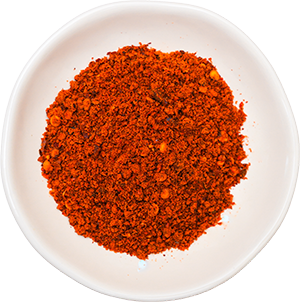
Coarse Chili Powder
Finely ground and free of impurities, with bright, uniform color. It colors and infuses flavor easily, making it suitable for Sichuan stir-frying, braised foods, and deep food processing.
Product Information: Shelf life: 12 months
Net content:
Household packs: 100g, 200g, 400g
Foodservice packs: 10 jin, 20 jin, 50 jin
When stir-frying or braising dishes, add it to the wok to release a red-oil aroma and spicy flavor, then add the ingredients and stir-fry. It enhances the spicy base flavor; avoid excessively high oil temperatures to prevent scorching and bitterness.
For cold vegetable or meat dishes, sprinkle in the chili powder after preparation and mix well; it can also be combined with salt, light soy sauce, and other seasonings to make a dressing.
Place an appropriate amount of chili powder in a container, gradually pour in boiling-hot refined vegetable oil while stirring to release its spicy aroma. After cooling, the resulting red chili oil can be used to season various dishes.
Used for cooking, cold dishes, homemade red chili oil, and more.
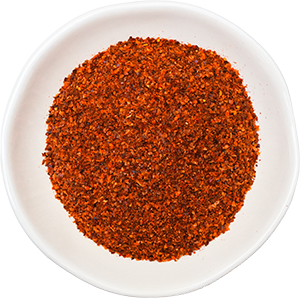
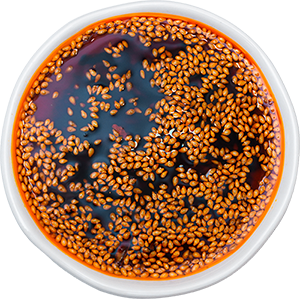
Chili Oil
Extracted using traditional methods, with a rich mellow aroma, bright and clear red color, a fragrant and spicy yet non-harsh flavor, and a long-lasting aroma. Ready to use upon opening, it is suitable for seasoning various dishes and for commercial bulk applications.
Product Information: Shelf life: 12 months
Net content:
Household packs: 200 milliliters, 380 milliliters,
Foodservice packs: 10 jin, 25 jin
For cold meat and vegetable dishes, add red chili oil directly and mix with salt, light soy sauce, and other seasonings for enhanced color and aroma.
When stir-frying or braising dishes, add the red chili oil to release its aroma before adding the ingredients. It gives dishes a bright red color and a spicy base flavor; avoid prolonged high-temperature stir-frying to prevent scorching and bitterness.
Add it to the marinade during braising to enhance the spicy base flavor; after the braised food is cooked, mix in red chili oil to brighten and enrich the taste.
Used for hot pot, cold dishes, cooked dishes, and more.
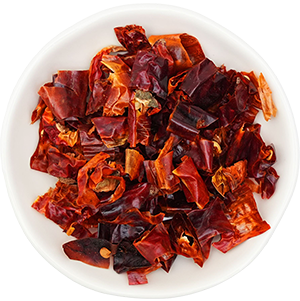
Chili Pepper Pieces
Made from carefully selected high-quality chili peppers, cut into uniform pieces with full dried flesh, little breakage, and good cooking resistance. Mainly used to enhance aroma and spiciness, suitable for stir-frying, dry-pot dishes, and sauce preparation.
Shelf life: 12 months
Net content:
Household packs: 100 g, 200 g, 400 g
Foodservice packs: 10 jin, 25 jin, 50 jin
Add the chili pepper pieces when the oil reaches approximately 60% heat, stir-fry briefly to release their aroma and spiciness, then add the ingredients. Do not cook for too long to avoid scorching and bitterness; suitable for Sichuan stir-fried and braised dishes.
Fry the chili pepper pieces at a moderate oil temperature until slightly crisp to make dry-fried dishes or spicy crisps. Combine with ingredients after frying for a fragrant, spicy and crispy texture; control the oil temperature to prevent darkening.
Add chili pepper pieces when simmering hot-pot or chuan chuan xiang soup bases to release their spicy aroma and color and enhance the flavor of the broth.
Used for hot pot, cooked dishes, stir-frying, high-heat stir-frying, and more.
Fine Chili Powder
Finely ground and free of impurities, with bright, uniform color. It colors and infuses flavor easily, making it suitable for Sichuan stir-frying, braised foods, and deep food processing.
Shelf life: 12 months
Net content:
Household packs: 100g, 200g, 400g
Foodservice packs: 10 jin, 20 jin, 50 jin
Its fine texture colors food easily. It can be used as a dry powder seasoning or cooked into red chili oil for use in spicy snack seasoning, allowing the heat to penetrate evenly.
Place the fine chili powder in a heat-resistant container and pour hot oil over it in several batches while stirring to release a fragrant, bright-red chili oil. Allow it to cool before use.
Used for spicy snack strips, homemade red chili oil, and more.
WeChat Channels

Douyin Short Videos